Sonic Team is Back in Peak Form
10 Dec, 2025
Table of Contents
Picture of TV salesman Billy Mays saying "But Wait, There's More."
That's right folks... the Frontiers 2 speculation gravy train isn't over yet.
I mentioned in my previous post that I've been closely following Sonic Team and their growth recently. There is quite a bit that I have to say on this topic as well, so I figured I'd make a follow-up post between working on homework assignments and studying for finals to go over everything I've noticed about Sonic Team over the course of two distinct periods in time: between the development of Adventure and the release of Frontiers, and between the release of Frontiers and the present day. The latter period will be described in much further detail, of course, because it's more relevant to our current state of affairs.
With this post, I first intend to quickly summarize the history of Sonic Team as it pertains to the Sonic franchise starting with the blue blur's first venture into 3D with Adventure, up to and including the development of the most recent mainline game in the franchise with Frontiers. Then, I'll go over all of the recent developments that resulted from Frontiers, the Hollywood movies, and other projects that have released since. Finally, I'll quickly explain why I think the current state of Sonic Team is poised to take the world by storm with their next 3D Sonic project.
Strap in - let's begin.
History of Sonic Team: From Riches to Rags
Sonic Adventure

Ah, Sonic Adventure. The vibes of this game are immaculate. Adventure is quite an interesting case in terms of development - it wasn't initially conceived as a platformer, for instance. It has been well-documented by now, but Takashi Iizuka initially thought up Adventure as an RPG featuring Sonic characters. Iizuka would go on to direct this game. Sega's new Dreamcast hardware was certainly capable of more than the ill-fated Saturn which came before it, so this idea evolved into a more typical high-speed platforming experience with a heavier emphasis on narrative than platformer games were used to at the time. The devs even travelled to South America to gather inspiration for areas in the game (pictured, above), notably the Mystic Ruins and Emerald Coast. For more information on the exact development story of Sonic Adventure, please refer to this Sonic Retro page, which does a great job documenting all known information. I'll likely bring this site up again in this post, as well as refer to it for information as I already have here.
Development on Adventure was, for the most part, smooth sailing. Over 100 people worked on creating the game, and while exact details are fuzzy we can surmise that the team had a few years to work on the game. For the time, this production could be considered AAA. Despite some blemishes such as Big's Story which general audiences disliked, Adventure was met with warm public and critical reception around the world upon its release in 1998-99. The future seemed bright for the development staff, hot off the heels of the Dreamcast's flagship Sonic title.
Little did Sonic Team know that the road ahead would be defined by hardship.
Sonic Adventure 2
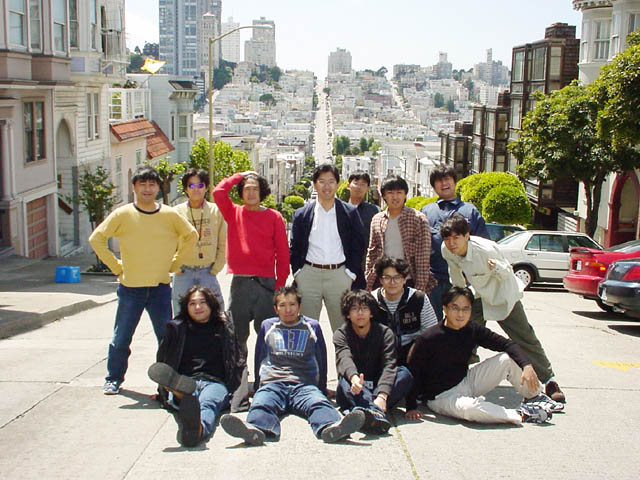
During Adventure's development, a small subset of Sonic Team flew out to the United States to begin work on localization. This group (pictured, right) included Iizuka, Adventure's director. The devs that remained in Japan began work on Phantasy Star Online after Adventure released. "Sonic Team USA," on the other hand, was given the daunting task of creating the sequel to their previous work: Sonic Adventure 2. This meant that the Sonic franchise would see a downsized production staff from here on out, starting with only eleven people available to create Adventure 2. This was quite a downgrade from over ten times the staff size for the original Adventure. But, hey, things could have been worse, you say. Adventure saw the devs take multiple years to reach completion - the same had to be true for the sequel, right?
Eighteen months. Sonic Team, consisting of eleven people, were forced to create the entirety of Adventure 2 on Dreamcast in a year and a half. It's a genuine miracle that the game released as good as it was. Early trailers and demos for the game also depicted a slightly different vision for the sequel than what we ended up getting, so the smaller sense of scale and reduction in amount of content from the first game make even more sense. Content had to be changed and added in quickly before the final release. To top it all off, Sonic Team had to deal with adjusting to life in San Francisco. The change in locale would inspire some of the most iconic Sonic levels such as City Escape and Radical Highway, but there was certainly more hardship than sunshine this time around. For more info, the Sonic Retro page on Adventure 2's development can be found here.
Expectations were high for this release, the final first-party Dreamcast game before the death of the console, and similarly to Adventure it was met with positive impressions from the press and the public. Following the release of this game, Sonic Team was forced to go third-party and develop games for former competitor's hardware, starting with a port of the very same Adventure 2 to the Nintendo GameCube. This remaster released mere months after the Dreamcast version, which only served to add more crunched development time for the staff.
Sonic Heroes
There was no time to rest after Adventure 2: Battle or the subsequent Adventure DX port, either. Sonic Heroes began development sometime after Adventure 2, Adventure DX, and Mega Collection were finished. The development crunch somehow worsened for the staff, especially for returning director Iizuka who worked himself to the brink of death to finish the game on time. According to this article from GameInformer, Iizuka designed many of the stages in the game by himself after the only other level designer left the team. Not only that, but Iizuka was the only member of Sonic Team left working in the US while the rest of his team had returned to Japan. This communication barrier was much trickier to work around in 2003 than it would be today, so mismanagement of development resources and team members arose. As a result, Iizuka pushed himself to finish what he could by himself, losing many nights of sleep and 22 pounds of weight in the process. This game represents the absolute worst of the crunch culture that permeated Sonic game development for so long.
Around this time, public perception of Sonic was starting to slip. The ports of Adventure 1 and 2 reviewed significantly worse than their original releases did, even though not much time had passed since these releases. Despite this, Sega pushed the marketing for this game hard, going as far as to partner with ubiquitous fast-food chain McDonalds (pictured, above). Heroes, while undoubtedly a commercial success, was met with middling reviews that were uncharacteristic of a new mainline Sonic release at the time. Complaints involved lacking visual presentation, an over-reliance on Sonic's supporting cast, and divided opinions on the new team-based gameplay structure. The very same gameplay was praised by some, though, with some outlets claiming that Heroes was the closest Sonic Team had come to replicating the classic momentum-based gameplay in 3D. The artstyle, music and sound design were also generally well-reviewed. While the game is remembered fondly by the many who grew up playing it, it wasn't the slam-dunk the Sonic franchise needed at the time.
Shadow the Hedgehog (2005)
How have I not mentioned Shadow as a character up to this point? He's great! Everyone loves this guy. Back during the early 2000's, though, Shadow was a borderline cultural icon (in the US, at least), even eclipsing Sonic himself in popularity. He was added into Heroes late in development due entirely to fan feedback; the end of his story in Adventure 2 was originally intended to be his final appearance. In order to drive the appeal of Shadow's character as hard as possible, and to satiate Iizuka's desires to do more with the character's story after Heroes, the game that fans today call Shadow '05 entered development with some radical new ideas. Unlike the previous games, which targeted young audiences across the board, Shadow '05 would be aimed at teens and feature slightly more mature content. These included guns, light profanity, and blood. Interestingly, the E-10+ rating was created by the ESRB during the game's development, so certain aspects were censored or toned down for the final release to target this new rating.
This would be the first mainline Sonic game to incorporate such conceptual risks that would go on to fall flat on their face upon the game's release. This title reviewed the worst of every Sonic game by far - critics derided the tepid gunplay and silly attempts at mature content, while the public and fans alike mocked the game's tone, atmosphere, and confusing branching story. This would be the first 3D Sonic to change the voice cast of the characters, as well: almost every existing voice actor was replaced by their counterpart from the 2003 Sonic X anime. Like the rest of the game, however, this new talent was dragged through the mud by fans. Many who grew up with Sonic mark the release of Shadow the Hedgehog as the exact moment where the franchise ceased to be the global icon it once was.
Development for this title was relatively crunched once again: production began after Heroes released in North America in 2004, and Shadow '05 itself released in late 2005. This left only about two years to make the game, with a team that was still meager compared to what it used to be. For more insight on the game's development, I would recommend this YouTube video by Eldarin which goes more in-depth about the specific development timeline, as well as concept art and demos.
Checkpoint: Taking Stock
Up to this point, a once-great Sonic Team seems to be locked in a downwards spiral. Adventure 2 saw the staff numbers decimated and the timeline greatly reduced, Heroes subjected Iizuka to terrible crunch and overwork, and Shadow '05 was similarly developed on borrowed time and with core concepts that would prove detrimental to the final product. There are some clear patterns here that I would like to call out, because if you can believe it we'll be seeing them pop up again later:
- Sonic Team's development staff is very small, especially compared to other AAA dev studios.
- Mainline Sonic games are developed on tight schedules and pumped out at high frequency.
- Due to upcoming events, Sonic Team will go on to have much less corporate financial backing than they once did.
These are what I consider to be the Three Blights of Sonic Team: lacking manpower, little time, and no funds. The last of these hasn't been especially relevant yet, but due to our next topic it will become painfully so for a long time.
2006: The Death Knell

This year, the 15th anniversary of the series, is in contention to be Sonic's worst year as a franchise. Everyone who knows Sonic knows the story at this point. Sonic 1 Genesis was an awful port of the game that started it all to the GBA. Sonic Riders was a game that, while exuding style, faced middling reviews which criticized its overwhelmingly complicated and poorly-explained gameplay mechanics. Last, and definitely least, Sonic the Hedgehog (2006) - better known as Sonic '06 - was so universally panned by critics, fans, and the general public that Sonic became the laughingstock of gaming from then on. Anyone who knows gaming history is likely aware of just how catastrophically the Sonic games had crashed and burned around this time.
While still well-known and well-documented in many places, the development story of Sonic '06 is slightly less notorious. I already know what you're wondering - the Sonic Retro page can be found here. For the first time since the death of the Dreamcast, Sonic Team was tasked with developing for new hardware: the next-gen Xbox 360 and PlayStation 3 consoles, to be precise. For fun I'll be keeping a running count of unique development hurdles that faced Sonic Team regarding '06, with this being the first. The second such hurdle came shortly after the game was reveled and demo'd at E3 2005 (pictured, above). Shortly after this event, executive producer of '06 and co-creator of Sonic Yuji Naka abruptly resigned from Sega to forge his own path in the gaming industry. The director this time around was not Iizuka; rather, Shun Nakamura was tasked with directing the purported rebirth of the Sonic franchise.
Hurdle number three would trip up the team soon after: the higher-ups wanted '06 to also release on Nintendo's brand-new Wii hardware, but the game was too intensive for the system to handle. Demanding some form of Sonic release for the console, Sega proceeded to split the development staff in half, with one group being tasked with finishing the game before the hard deadline of Christmas 2006 (hurdle number four) and the other with re-tooling the scrapped Wii port into a new game: Sonic and the Secret Rings. This schism would go on to impact Sonic's mainline games for years to come, as I'll get to later. The final hurdle to Sonic Team came about upon the game's release, when the reputation the game would go on to receive was first born in the fiery pits of public critical discourse.
To this day, the impact Sonic '06 had on the franchise persists. There are still some people who see Sonic as nothing but a joke franchise because of this game. There are certainly some who appreciate certain aspects of the game nowadays, but there were barely any people who appreciated anything about the franchise in public after this game came out. I think you get the point by now - 2006 marked the absolute low point of the Sonic games. Nowhere to go but up, though, right?
A Team Divided
Let's pick up the pace of this retrospective. As I mentioned before, half of Sonic Team was tasked with developing Secret Rings for the Wii. The game was released in 2007, so... did the rest of Sonic Team help with the development of this game after '06 released?
Surprisingly, no - they began work on an entirely new game: Sonic Unleashed (pictured, above). In addition, some developers from Sonic Team were sectioned off further from Sonic Team and tasked with developing the Mario and Sonic at the Olympic Games series of Wii titles, which released biennially from 2008 to 2016. Secret Rings and Unleashed began a trend of Sonic games being developed by one half or the other of Sonic Team. In this section I'll use "Sonic Team A" to refer to the team which finished '06 and developed Unleashed, and "Sonic Team B" to refer to the team which developed Secret Rings. For about seven years, a major Sonic game would release almost every single year, each developed by Sonic Team. Each game was developed in about two years, and saw staggered release years bsaed on the development team. 2007 had Secret Rings, developed by Team B as mentioned before; 2008 saw the release of Unleashed, developed by Team A; 2009 saw the release of Sonic and the Black Knight developed by Team B; this team also likely developed the more traditional Sonic Colors, released in 2010; finally, Sonic Generations was helmed by Team A and released in 2011. Sonic Lost World was worked on by Team B at first, with Team A coming in at the start of full-scale development to help finish it for release in 2013.
The timeline and exact team responsibilities are unknown as of the time of writing, but this timeline is commonly accepted by many fans. This is due to the similar internal file structures of Unleashed and Generations, which is a different structure to the one shared by Colors and Lost World. This is despite the fact that Unleashed, Colors and Generations all share the Hedgehog Engine (HE1) as their engine of choice. Lost World ran on a heavily-tweaked HE1, which would go on to be updated even further in future games.
More importantly, however, every game after '06 had a much lower budget because of how hard that game flopped critically. Unleashed was the last Sonic game for a long time that had a sense of scope which "felt AAA". Every other Sonic game in this time period can be beaten quickly, often in only a handful of hours and even with various methods of padding implemented by the devs. Sonic was inarguably a second-rate franchise at best at this point in time.
False Promises and Broken Trust

After the mid-2010s Sonic Boom digression failed miserably, Sonic Team promised a return to form for the franchise in 2016's Sonic 25th Anniversary event. Dedicated, experienced fangame developers were brought on by Sega to create Sonic Mania, a long-awaited true follow-up to the beloved Genesis Sonic platformers (yup... only the main trilogy and CD, nothing else to see here). In addition, the contemporary "Boost formula" would be returning in the brand-new Sonic Forces (pictured, right), developed by Sonic Team and released in 2017, the same year as Mania. Fans couldn't be happier upon this game's reveal; the Sonic franchise seemed to be taking itself seriously again after so many years of low-budget titles, self-deprecating presence on social media, and unending jeers from the many haters of the brand. 2017 would surely usher in a new golden age for the franchise.
As we all know, Forces would release to tepid reception from critics, fans, and the general public. The game would prove to haters of the brand and general audiences who remember the failure of '06 that the hatred toward the franchise and the stigma against the games was justified, and that Sonic Team couldn't keep up in the modern era of gaming.
So... what happened?
Everything seemed to line up for Forces at first glance. The devs were finally given a decent timeline of 4 years to create the game, and the polish and visual fidelity was the best the series had seen up to this point so the budget was surely higher than usual, right?. Sonic Team was also finally reunited after the schism of '06, so weren't they operating at full capacity once again? Well, not necessarily.
Recall my comment about Lost World: its engine was heavily reworked for future games, the first of which was Forces. This version of the engine is dubbed Hedgehog Engine 2 (HE2) by fans. Sonic Team wanted to make sure that their shiny new engine would blow the visuals of previous games out of the water, so they took extra care to make sure it would look the best it could in Forces. The problem Sonic Team encountered was that it took them three of the four years they were allowed to finish HE2. In essence, the "real game" that was Sonic Forces was created in about one year, and anyone who played the game may see evidence of this in the final product. Level design and stage geometry was reused quite often in the final cut, with the most notorious examples being Sunset Heights, Park Avenue, and the DLC stage Enemy Territory. These three distinct levels all use the exact same stage geometry, with only object layout data and playable character changing between the three. In addition, each stage was much shorter than the average 3D Sonic stage, with most being completable in under two minutes. One YouTube user even beat the entire game in under two hours on Steam and was able to get their purchase refunded as a result.
At the time the game released, however, the main issue of Sonic Team having less time to work on the game than it appeared was not widely known, and so the fans were crestfallen once again. They allowed themselves to be vulnerable and unreserved in their excitement for a new game, only to be met with a rushed and unsatisfying experience for what seemed like the umpteenth time. How could they tell whether Sonic Team still knew what they were doing at this point?
A Glimmer of Hope
The years following Sonic Forces' release are often described as "the great Sonic drought" by fans. 2018 only saw the release of Sonic Mania Plus, a small DLC expansion to (and physical release for) the exceptionally-well-received Mania which offered little in the way of new content. 2019's only new game was Team Sonic Racing, a barebones kart racer whose titular team-based gameplay gimmick felt underbaked amidst a sparse selection of content. Earlier in the year, the Internet was graced with the legendary initial trailer for the oft-rumored live-action Sonic movie, set to release that same year. Sonic's design for the film, however, sparked unprecedented levels of backlash and mockery for the franchise and the project from the general public and fans alike. The re-design, delay of the film, and its eventual warm reception upon its eventual release in early 2020 are well-known pieces of Sonic history by now, so I won't bore you with the details. Important to the current discussion is the level of success the first Sonic movie ("Movie 1") achieved. Over $320 million dollars were grossed worldwide, and a lot of this money found its way back to Sonic Team and Sega. More eyes than ever were on the franchise out of nowhere, and Sega knew they needed to capitalize.
As was to be expected at this point, the 30th Anniversary in 2021 was accompanied by a game release to celebrate. Only one such game ended up coming out, though, being a remaster of Colors for modern hardware. Sonic Colors Ultimate's state of being upon its release is well-known today, and its reputation as one of Sonic's worst remasters is certainly well-earned. The announcements of a collection of the Genesis classics for modern hardware, a brand-new Netflix TV show in the works, a trailer for the seconds Paramount movie ("Movie 2"), and a brand-new, mysterious mainline game developed by Sonic Team had fans' focus entering 2022, however. All these projects were promised within that very year, too!
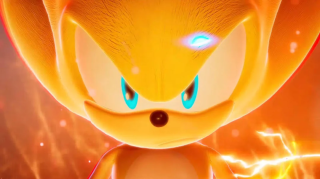
Many fans were skeptical of Sonic Team's ability to make anything worthwhile after Forces. What difference would four more years of dev time make, after all? They had that with the last game, and look how it turned out! Perhaps what fans didn't consider was that HE2 now existed from the beginning, so Sonic Team wouldn't have to waste three years making it this time. The money from the movies certainly had to help, too, and now that the Mario and Sonic at the Olympics series was dead Sonic Team was truly firing on all cylinders again. Does this sound familiar?
The déjà vu doesn't stop here, of course. After three years of work on what would become Sonic Frontiers, the game was internally set to release in 2021 to coincide with the anniversary. Playtests were conducted at this time, but none of them reviewed the game positively. Many players lamented the boring design of the overworld, the lack of things to do, and the lack of traditional Sonic elements. Takashi Iizuka, now with the position of Sonic series producer (Morio Kishimoto was instead the game director), realized that the game would need to effectively restart development which would take more time than they had. He negotiated with executives at Sega in a desperate attempt to get another year of development time for the game, almost losing his job in the process. His gamble paid off, and Frontiers' internal deadline was pushed back to late 2022. In this two-year period, the version of Frontiers that got released to the public was developed.
Using the old open-world play areas as a base for five "open-zone" stages helped development restart quickly. One open world was even split up and used to create three separate open-zones on its own. Linear Action Stages returned in the form of Cyberspace, and the original vision of a combat-centered game was somewhat carried over into the final Frontiers combat system, though with a reduced focus. Major bosses were carried over wholesale from the first draft of the game. The final result was a skeleton of a game idea: platforms were strewn about a flat open-zone play area, cluttering the air above and clashing with the otherwise generic realistic artstyle. Hidden away in these open-zones were portals to more standard 3D Sonic fare. The Boost-style Cyberspace stages reused level design from Adventure 2, Unleashed, and Generations. The last of these three games also lent many environment assets to Cyberspace, which featured no truly original environment types. After collecting enough MacGuffins in the open-zone and interacting with enough NPC instances, the player fights the boss and moves on to the next area, where the gameplay loop repeats.
Sonic Frontiers, a desperate final attempt at injecting life into a franchise that had fallen so far from grace, a game developed by only 60 people at a time of ballooning dev team sizes in the industry, should not have worked in rejuvenating the Sonic games.
Rising From The Ashes: Recent History
A Solid Foundation
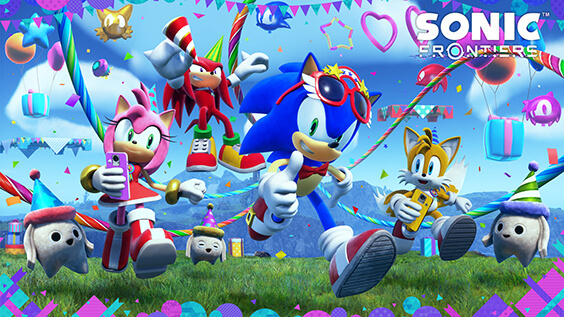
Against all odds, Sonic Frontiers was a hit. Review scores, while not reaching the highs of some previous 3D titles like Colors or Generations, were still overall positive to mark a refreshing change of pace from what had become the norm. Commercially, the game would go on to dethrone Heroes as the best-selling 3D Sonic game in history, with over 4.6 million copies sold as of the end of FY24. Upon release, fans also praised the game's new open-zone approach to Sonic gameplay. The popular sentiment shared about this game was that it was a step in the right direction that the series desperately needed.
Most surprising of all, perhaps, was the success of Frontiers in Japan. A much-maligned aspect of the Sonic franchise is that it was never very popular in Japan, due in large part to the commercial failure of the Mega Drive and the Dreamcast in the region, and the breakout success of the Saturn there not being met with any significant presence from the blue blur on the console. Prior to Frontiers, the most popular games in Sonic's country of origin were the Adventure duology, which received decent sales numbers and good reviews upon their initial releases. Frontiers was the game to break the curse of obscurity that haunted the franchise in Japan, selling over 46,000 units on just PlayStation and Switch in its first week in the region according to this article from SegaBits.
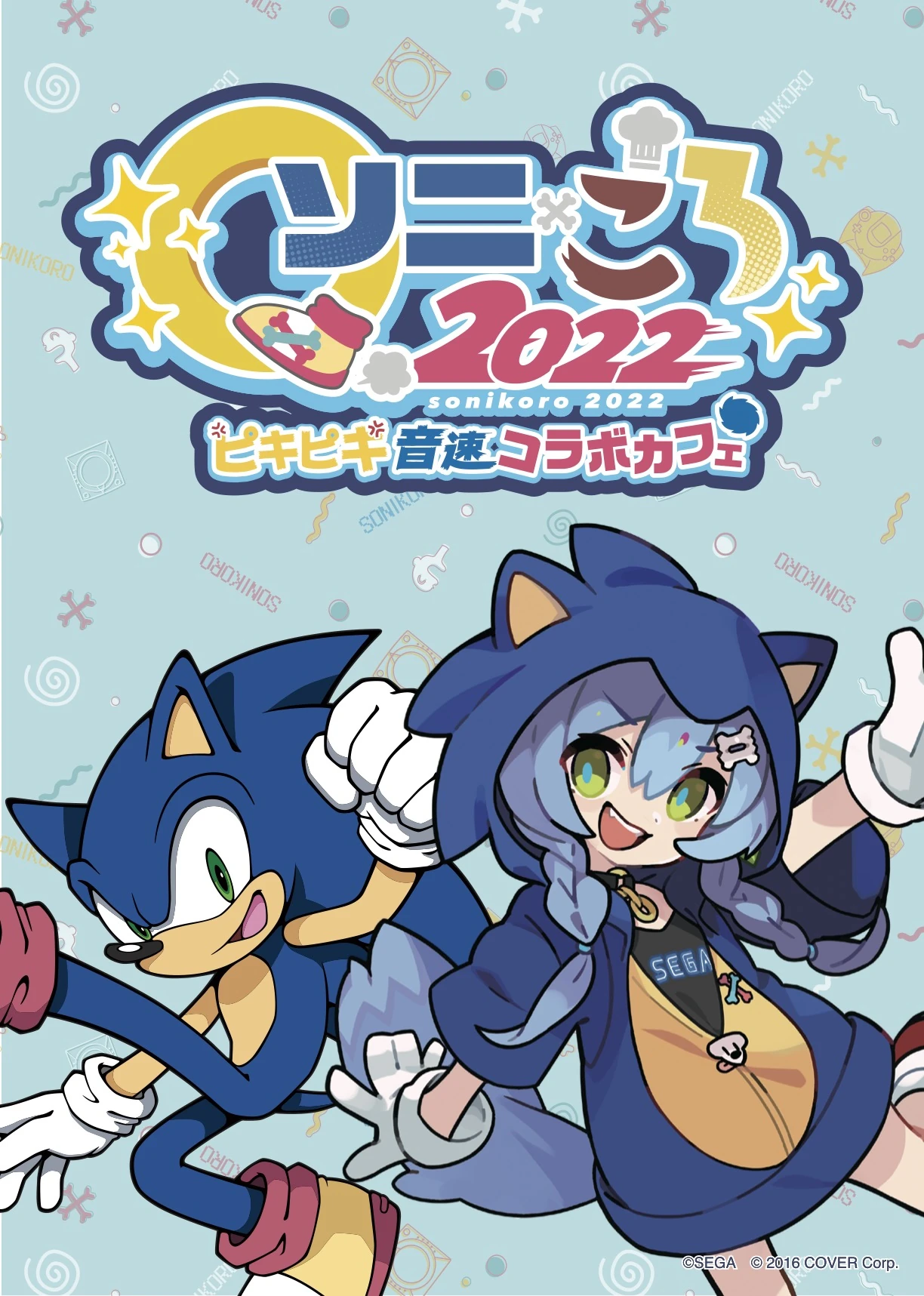
To close followers of the Frontiers hype cycle, though, this uncharacteristic success in Japan was less surprising. Frontiers was heavily marketed toward Japanese audiences, and the game itself was developed and localized to cater more to Japanese tastes. This initiative included such things as getting popular J-Rock group ONE OK ROCK to put their song "Vandalize" in the game's credits, as well as partnering with star Hololive VTuber Inugami Korone for various collaboration events (pictured, right) and Japan-exclusive DLC for Frontiers. The game itself had aspects clearly inspired by popular works such as Neon Genesis Evangelion with the Titan designs, and Dragon Ball Z with the defeat cutscenes of Giganto and Knight. The Japanese script was also localized from the original English script penned primarily by established Sonic conic writer Ian Flynn. Most of these aspects, save for certain changes to the script, were generally praised by Japanese fans of the franchise. After over 20 years, the concerted marketing effort put behind Frontiers allowed the series to finally see relevance in Japan again.
The worldwide success of this game did not fall on deaf ears at corporate Sega. After the drastic reduction in budget brought on by '06, Sonic Team had proven to their execs that they were worth taking a risk on again. Sega responded in kind: far more resources were devoted to Sonic Team including new job openings and much more money. They were given more time, too, including for Frontiers itself: one year of free DLC was allowed to be created for the game, which rolled out in three waves throughout 2023 and intended to fix many problems reviewers and fans had with the game. I'll talk more on the details of this DLC shortly. For more info on the internal restructuring as a result of Frontiers, check out this interview with Iizuka from Tails Channel.
The impact of this game, while nowhere near as profound as that of '06, would go on to shape the future of the franchise in the long term (so far, anyways). Sonic Team themselves claimed that Frontiers would serve as the foundation of the "third generation of Sonic." The first generation was described to be the period of time beginning with the release of the original Sonic game in 1991 and ending with the release of Sonic Adventure in 1998-9. Adventure began the second generation, which ended with the release of Frontiers in 2022. Now, at the dawn of a new era for the brand, only one question remained.
What would make this new generation different?
The Kishimoto Twitter Saga

Let's take a fun detour before getting to more recent events. Not long before Sonic Frontiers' worldwide release, a surprising development occurred in the Sonic community: Morio Kishimoto, the game's director, would establish a public Twitter account with the intent of discussing game impressions and feedback directly with fans from both Japan and overseas. Rarely do game creators interface directly with players like this nowadays. One could point to the legendary Katsuhiro Harada of TEKKEN fame as another example, but recent developments will cause that to change soon (congratulations on retirement, Harada, you've earned it). Besides, even among directors like this who do have open communication channels, few were quite as active in responding to fan feedback as Kishimoto was. Nearly every day, fans would ping him on Twitter, and more often than not he would write a reply shedding some light on the game's development, the concepts that were iterated upon for the final release, and the odd corporate detail about the inner workings of the dev team and its parent company.
I'm not joking when I say he was active, by the way - if you don't believe me, see for yourself (using the xcancel domain so non-account-holders can read too). Be sure to click "Load More" to see the next page of comments each time. Quite a few of Kishimoto's comments lean generic, so I'll only bring up a few of the most interesting ones here.
First up, let's take a look at this thread where Kishimoto discusses the general workflow of creating the level design of Sonic games. Interestingly, we learn that the level editor from Adventure and its sequel was iterated on and used in some way all the way up to Black Knight. Unleashed was the first game to use a new level editor, which has been upgraded and used ever since, even to this day with Shadow Generations. It makes sense that developers re-use and iterate on internal tools like this, but for Sonic Team to use the same framework for so long after its creation is interesting to me. In addition, this thread emphasizes that Sonic Team goes through a painstaking process of designing each part of a stage to flow as well as possible. This perfectionist mindset can be desctructive if not kept in check by things like deadlines and other external forces, but for this game it's understandable that the developers were sticklers for details like this. They had something to prove with this game, after all!
Perhaps the most enticing comment for fans is this one. Kishimoto discusses with a few fans about the benefits, limitations, and potential of the Boost gameplay in the future, especially considering the new possibilities offered by the open-zone. In particular, these fans think that potential is much lower than if something more akin to the Adventure games' movement was implemented into the formula. Kishimoto states that he would like to work on having the Boost and "Momentum" gameplay styles coexist, if possible, in future releases. The part everyone remembers, however, is when he says he would like to attempt a mainline game entirely without Boost mechanics. This desire is fueled by a deep respect and admiration for the Adventure duology's physics (called ADV in this reply). Furthermore, in a previous reply in the thread Kishimoto also states that the devs grappled with the idea of removing the Boost gameplay in Frontiers itself, before ultimately deciding against it. What this told fans was that the very next 3D game could return to the early 3D roots the series had for so long forsaken. GoNintendo picked up the story with this article, which itself gained a bit of buzz and a lot of likes on social media. There's no telling what could happen in the future now, due in large part to this tweet.
Finally, let's examine this one. Plain and simple, this tweet implies that not only has Kishimoto played the Sonic-inspired indie platformer Spark the Electric Jester 3, but he decided to study its game design philosophy and attempt to incorporate what aspects he could into Frontiers in later updates. It's likely, then, that certain level design elements seen in The Final Horizon were inspired by this game, which was itself inspired by older Sonic games! This, of course, also has implications for future Sonic titles, especially if the leaks I discussed in my previous blog post are anything to go by. As a bonus, check out this tweet, where Kishimoto expresses a desire to create a certain legendary crossover title... once the Sonic franchise could rise to the task of becoming the other franchise's equal.
That was fun! Enough detours, though. If you'd like to know what other major topics Kishimoto discussed, check out this summary posted to the Tails Channel tumblr page. Let's get back on track.
2023: DLC and a Return to Basics
So, what did Sonic Team do to follow up their runaway success? As I alluded to before, three waves of free DLC were rolled out throughout 2023 that changed a lot of things about the game. These updates were developed by only a handful of developers on Sonic Team, while the bulk of staff had begun work on future titles.

First came the Sights, Sounds, and Speed update ("Update 1") in March. This update addressed a few issues like Elder Koco's glacial upgrade speed, added toggles for the Power Boost and Starfall cutscenes, and created a wonderful new "Quick Reset" hotkey for Cyber Space (seriously, I need this in every game after how seamless it is here). More notably, however, it introduced the Sound Memory collectible in the Open Zone. Collecting any of these little orange eighth-notes strewn about the Starfall Islands would unlock a new song from Sonic's impressive musical library for use with the new Jukebox feature (pictured, above). With this, any collected songs along with a small set of initial tracks can be played in the open-zone at the player's leisure. You can even shuffle the playlist, or loop the selected song indefinitely. In addition, a Photo Mode was added to the pause menu, and new challenge modes Battle Rush and Cyber Space Challenge were introduced, with new rewards locked behind their full completion. Extreme Mode was offered by Battle Rush, a new difficulty option even harder than Hard Mode, while the Cyber Space Challenge offered the ability to toggle the Power Boost in Cyber Space. This update would serve as the first return of the Jukebox functionality in a mainline game since Generations in 2011, with both (and currently all) subsequent Sonic Team games Shadow Generations and Sonic Racing: CrossWorlds also implementing the feature in some way. Perhaps Photo Mode, Cyber Space Challenge, and Battle Rush will also become recurring features?

Next was the Sonic's Birthday Bash update ("Update 2") in June. While implementing less new features on paper, those which were added shook up the game quite a bit. While there were smaller additions such as in-game completion trackers for the main islands, a boost-filter music toggle for Cyber Space, and New Game Plus functionality to carry over stats to a new playthrough, the big two were the Action Chain Challenge and the New Koco. The former provided a new way to play in the Open Zone, throwing the player into a pseudo-score-attack mode where interacting with as many course elements as possible was the goal. The latter placed new collectible Koco around the islads, complete with brand-new platforming challenges that had to be overcome to reach them. The level design of these new mini-challenges were praised by fans for their surprising deviation from the existing design philosophy of Frontiers. Movement, rather than automation and reaction time, were the key to success. Praised further by fans, however, was the reward for getting Rank S on every Action Chain Challenge in the game: the Spin Dash. One rev of this thing sent Sonic flying off the slightest bump. While the Frontiers Spin Dash functions mostly like the Power Boost, it has the ability to launch Sonic off inclines in the terrain. Paired with the new air-drag physics slider and a toggle to maintain boost while jumping in the options menu, the movement of Frontiers had been revolutionized instantly. Never had a Sonic game felt so freeform and expressive in its base locomotion since the Adventure games.

The third and easily most substantial update was The Final Horizon ("Update 3" or "TFH"), released near the end of September. No major changes were made to existing content. Instead, a ring portal appeared on Ouranos Island, transporting Sonic to an entirely new final act for the game. TFH completely overhauls the notoriously lackluster ending that Frontiers launched with due to time constraints. This new ending, however, saw changes as early as the beginning of Ouranos. Instead of taking on Supreme and The End alone, Sonic allows Sage to reverse the sacrifice his three friends made minutes prior. In doing so, Amy, Knuckles, and Tails are once again brought between dimensions and tasked with finding the Chaos Emeralds by Sonic, who goes off on his own to achieve mastery of the cyber corruption that had been ailing him throughout his adventure thus far. After all is said and done, Sonic gets to contend with a brand-new final bossfight.
As is to be expected by this point, this most substantial update also proved to be the most contentious. While Amy, Knuckles, and Tails returned as playable characters for the first time in 16 years, they weren't without their fair share of problems. Amy's overuse of tarot cards and underuse of her iconic Piko-Piko Hammer in her moveset drew ire from fans, Knuckles' gliding physics and climbing locomotion were totally borked on release (the gliding was greatly improved in a patch, thankfully), and Tails entirely lacked a homing attack in favor of a limp wrench-throw attack and an entirely overpowered Cyclone Boost. The original Ouranos Island landmass was reused for this update, contributing to the "Kronos Island fatigue" the artstyle of the game already suffered from. These platforming challenges were also a noticeable step up in difficulty from the rest of the open-zone platforming in the game, fittingly for a pseudo-hard-mode DLC but perhaps inaccessable to certain players. Guardian bosses were reused and made more difficult with hulking healthbars that took minutes to deplete, bolstered further by lightning-quick attacks that could stunlock the player to death annoyingly often.
Sonic's new gameplay wasn't safe, either: after Rhea Island's existing six required tower-climbs, five new towers were added and crafted with much higher difficulty in TFH. Many players cite these tower climbs as unexpected difficulty spikes. Other players will identify the difficulty spikes as the combat trials which awaited players at the top of these towers, specifically Towers 2 and 5. The Snake's Trial required players to defeat four sped-up enemies which could only be damaged briefly after a Cyloop. The timing was so incredibly strict that players found quicker workarounds to defeat these enemies just a bit faster and complete the challenge. Tower 5, on the other hand, featured the Master King Koco Trial, the long-requested Titan boss rush everyone had been clamoring for. These fights were adjusted to be harder in a few ways: first, all stats were locked at Level 1. Second, rings were completely removed from every fight, including the ability to replenish them between fights with Cyloop. Third, and most importantly, the notoriously forgiving parry was reworked to require incredibly strict timing to pull one off. Only about four frames were available to use a move which could be held for seconds on end before (on Hard difficulty, anyways - this window was increased for lower difficulties). Giganto and Knight were much harder, but Wyvern caused rage and salt tweets on an unprecedented scale for the Sonic community. This second boss of three required successful parries to even deal damage, unlike the other two bosses could still easily be dealt with while missing parries here and there. Unclear attack window telegraphs paired with long mandatory waiting periods turned this once-thrilling spectacle into an infuriating slog. It is worth noting, however, that this boss rush was also tweaked in the same patch which fixed Knuckles' glide. Parry windows were relaxed, and Easy Mode had a higher starting Ring total and Attack level. These changes made this mandatory challenge much more approachable and enjoyable.
The new final boss, The End Supreme ("TES"), even had information issues. A required part of the fight is locking onto and removing a tether cable from the boss's head, which is a mechanic that is never explained unless one goes out of their way to achieve 100% completion of the DLC (real smooth, Sonic Team). The boss otherwise retained the stricter parry from the Master King's trial, but its other standard attack telegraphing was designed to account for it and was therefore much more manageable.
Despite all these issues that plagued TFH, however, many people still fell in love with what was released. I neglected to mention that certain Cyberspace stages were remixed for this DLC, and their level design was a radical departure from the standard "hallway" design characteristic of the other Boost titles. These new stages were mostly lauded for their inventive new ideas and use of movement rather than automation to create spectacle and challenge. The difficulty of the DLC, specifically of the Trial Tower platforming challenges for Sonic and TES, was also received well by fans who were craving a challenge after the otherwise very forgiving base game. The music of the DLC was also incredibly popular, especially the new rendition of the game's main theme for the final phase of TES. Overall, though, this massive update that was meant to fix the biggest issue with the game only ended up further dividing fans on the game's perception and leaving a sour taste in the mouths of many. While still very fun, I myself can't help but acknowledge that Frontiers' trademark rough edges are roughest in TFH.
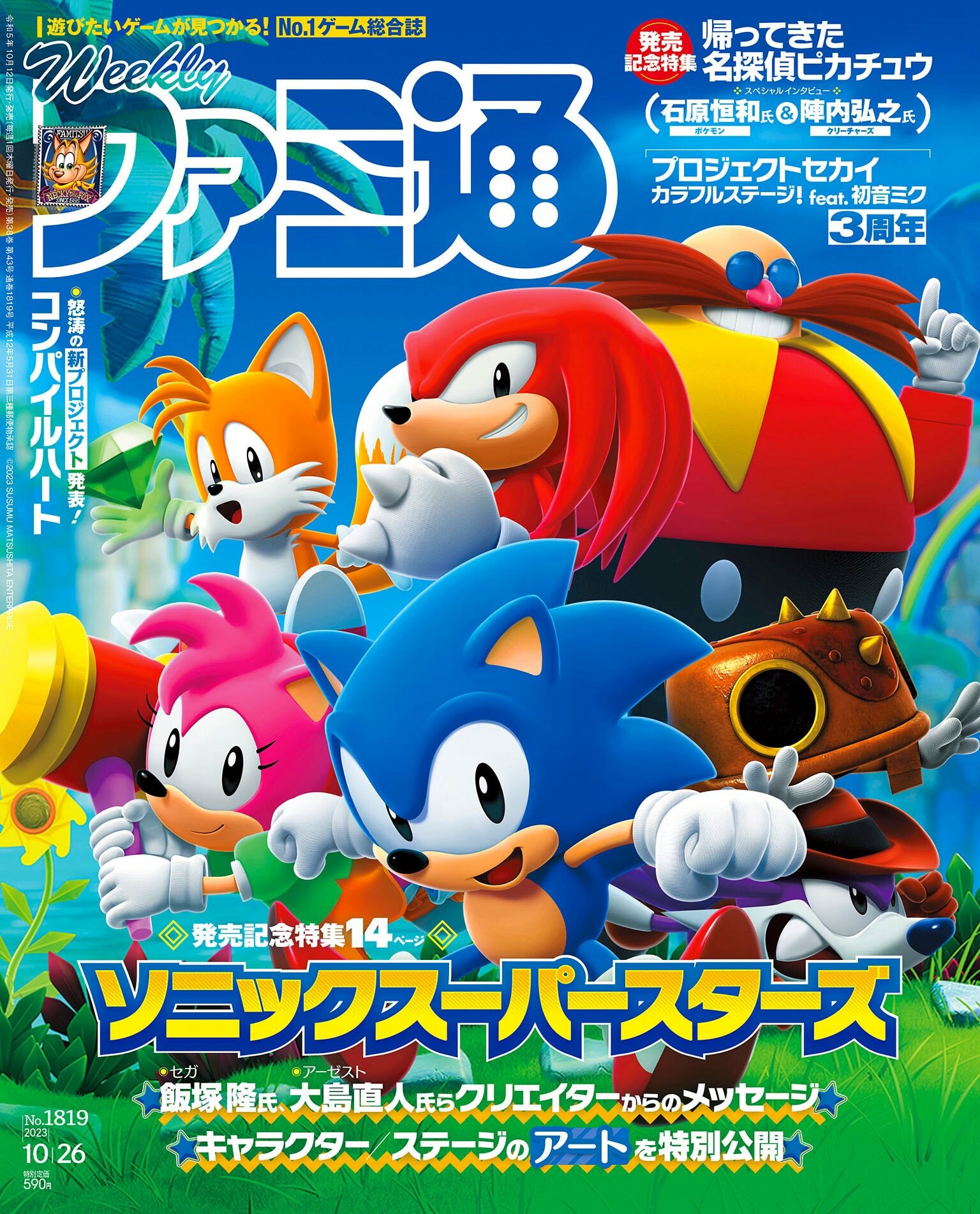
It makes sense that this ambition was perhaps out of the devs' scope, though: the updates, including the third, were made by a small subset of the developers who worked on the base game. The original dev team only had 60 people, to put this into perspective. That classic low-manpower aspect of Sonic Team shone through once again, though hopefully for the last time. Sonic fans wouldn't have to wait for a new game to cleanse their palate, however: Sonic Superstars would release less than a month after TFH, the same week as classic rival Super Mario's newest 2D outing, Super Mario Bros. Wonder. This game was developed by Arzest, though Sonic Team lent some support. Arzest is a development company founded by Naoto Oshima, one of Sonic's original three creators. Yuji Naka, who as previously mentioned left Sega during the development of '06 (and who was arrested and jailed for insider trading in 2022), and Hirokazu Yasuhara complete this exclusive club. Superstars was once again pushed hard in Japan and elsewhere in its marketing (pictured, above), but it just couldn't find the same footing that Frontiers did. Due in part to releasing the same week as Mario Wonder (and Insomniac's Spider-Man 2, funny enough), and because of the steep $60 USD price tag, Superstars' initial sales numbers were slow. It would go on to pick up steam later when sales made the game more affordable, eventually moving 2.43 million copies as of the end of FY24 according to this report covered by Tails Channel. Critically, it was met with middling-to-positive reviews, landing slightly higher than Frontiers before it in Metascore on popular review aggregator Metacritic. Not bad, but as a follow-up to the inimitable Sonic Mania it was an unfavorable comparison. Nevertheless, the game is remembered today as a flawed-but-fun entry in the Classic Sonic lineup.
The Year of Growth (and Shadow)
While the previous year was defined by Sonic Team testing out its vision for the future (and Superstars releasing), 2024 would be marked by a fixation on the past. After 19 years, Shadow the Hedgehog would be once again brought to the forefront of the Sonic brand's image. Dubbed the "Fearless Year of Shadow" by Sega, this entire year was dedicated to hyping up the third theatrical Sonic film ("Movie 3") which was set to adapt the beloved story of Sonic Adventure 2 to the silver screen that holiday season. Wanting a proper tie-in game to coincide with Movie 3, Sonic Team began development on Sonic X Shadow Generations ("SxSG") prior to Frontiers' release. This was to be an odd package that was half-Sonic Generations remaster and half-new game. The original Gens was stuck on the Xbox 360, PS3 and PC via an archaic port that still used an outdated launcher. The port to new platforms would prove to make the game more accessible than ever before - a good thing, too, because it's still considered to be one of Sonic's best games!
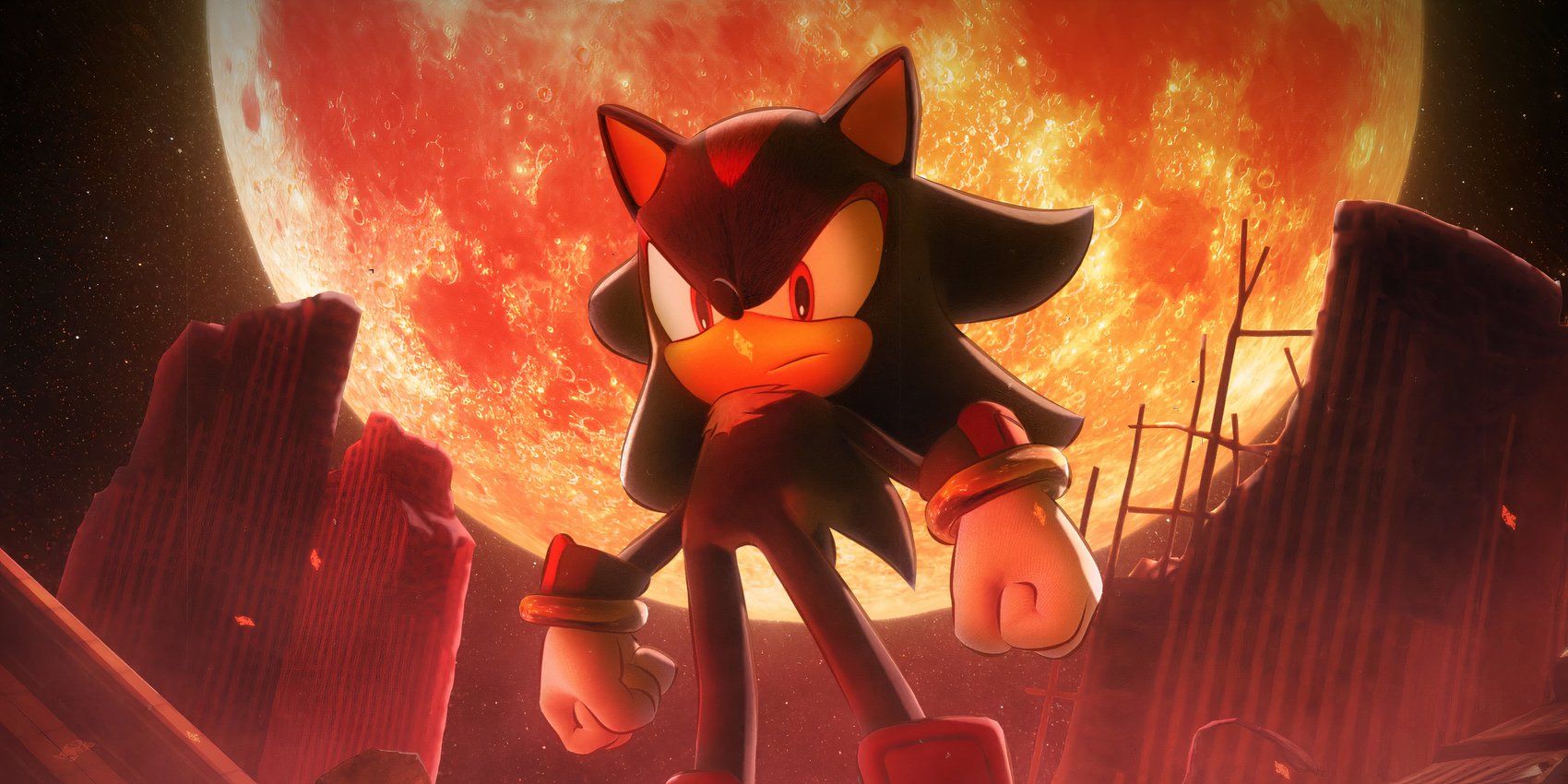
The new content was what fans were focused on, however. Shadow Gens was looking to be a sort of expansion or continuation of OG Gens, running in the updated HE2 used by Frontiers. Gens still ran on the old HE1, which made the games look very different from one another. Worries were high upon this game's initial reveal. Sonic's track record with ports and remasters is especially shoddy, but OG Gens barely looked to have changed at all. What's more, Shadow Gens' level design was hard to gauge from the minute amounts of gameplay that were shown off, and what footage was available usually contained cinematic bits of automation that, while certainly pleasing to the eye, worried fans. As the year went on, however, more footage and public demos at events revealed more of Shadow Gens' true colors. It was clear to fans by the time of release that this new campaign was not only a worthy successor to its thirteen-year-old counterpart, but it could even be argued to be a better game in its own right. This view persisted after the game's release, with critics and fans alike describing SxSG as one of Sonic's very best releases, full stop. Even today, SxSG is commonly cited as not only an incredible Sonic release containing two of the series' best games, but also as perhaps the best entry point for newcomers to the franchise.
As you may be able to expect, SxSG was a smaller-scale project, only requiring a subset of Sonic Team to complete. This time, however, Shadow Gens was developed by a core team of about 150 members, and up to 300 people (including this core team) were involved with various different aspects. This info comes courtesy of an article in Japanese tech magazine CGWorld, with the relevant translated page available at this ResetEra thread. Development was only in progress for two years, but it goes to show just how much Sonic Team can get done with the proper staff size and budget. Again, this team was only a subset of Sonic Team by this point, which is further proof that this team had grown in size tremendously following Frontiers' success. I would like to remind you that the last Sonic game which had this many developers was Sonic Adventure back in the late 1990s. This likely makes Shadow Generations the Sonic game with the largest core development team, even with only a portion of Sonic Team tasked with creating it.
The Three Blights of Sonic Team are finally dead. For the first time since Adventure, they have the time, manpower, and budget they need to truly realize their creative vision. The wins didn't stop there, though. Movie 3 would go on to make bank at the box office, outperforming Disney's Mufasa: The Lion King in their shared opening weekend. It also eclipsed both previous Sonic films in earnings after a little over a month in theaters. The film scored much higher with critics than the previous two Sonic films, as well, earning a Certified Fresh rating on popular film review aggregation site Rotten Tomatoes. Fans and general audiences also fell in love with the film, considering it as one of if not the best video game adaptation ever brought to the big screen. Even today, the film is used as a comparison standard for other game adaptation films.
For the first time in a very, very long time, Sonic the Hedgehog was back in the limelight of gaming.
Racing to the Top
Entering 2025, the Sonic community and gaming sphere at large carried great optimism for the Sonic brand. Fans even began describing the current era of Sonic, beginning with the release of Frontiers (or Movie 1, depending on who you ask), as the "Renaissance Era." This era is characterized in stark contrast to the maligned "Meta Era," which spanned from the releases of Colors in 2010 to Team Sonic Racing in 2019 (or, arguably, Colors Ultimate in 2021). Instead of remaining relevant by poking fun at itself and releasing (mostly) subpar titles, Sonic was now confident enough in its own quality to let the games, movies and other projects speak for themselves with pride.

At the end of 2024, the kart racer Sonic Racing: CrossWorlds ("SRCW" or "CrossWorlds") was announced at The Game Awards. Having seen proof that Sonic Team and Sega could once again put out a truly quality work with SxSG, and that Sonic Team was indeed brought on to develop the game, fans were hyped going into 2025. It was also dicsovered later on that SRCW was to be co-developed by Sega's illustrious arcade racing division, responsible for such classics as the Initial D series of arcade games. This only served to increase excitement for the game further. In mid-January, however, a bombshell was dropped on the SRCW marketing cycle: Nintendo's Switch 2 hardware teaser included footage of a brand-new Mario Kart game, the first on console in over ten years. The more cynical fans immediately called for CrossWorlds to be cancelled or delayed, because surely a Sonic Racing game could never hope to compete with the industry titan that was Mario Kart. April brought another insane reveal from Nintendo: Kirby Air Riders, directed by Masahiro Sakurai (the GOAT), would also be releasing that year exclusively on the brand-new Switch 2. Not one, but TWO Nintendo games from legendary series and development teams were now in direct competition with Sonic.
Community infighting ran rampant leading up to the release of the first of these three games, being Mario Kart World ("MK World"). On one side, fans excited for the game were hyping up CrossWorlds, while on the other the cynics were flaming the franchise for being on the come-up, but inevitably getting slam-dunked by its old rival. CrossWorlds' marketing had gone quiet for the most part, likely because it was set to release later in the year, so it was nothing but doom and gloom. Arguments only flared up with the price reveal of Mario Kart: $80 for a Nintendo game, let alone a kart racer, was unprecedented and signaled to most gamers that Nintendo was once again increasing the industry standard game price out of pure greed. CrossWorlds later being priced at $70 for its standard edition and $90 for its Digital Deluxe edition certainly didn't help matters.
MK World and the Switch 2 released to quite a bit of controversy online. While reviewed very well, as was to be expected for a flagship Nintendo title, fans of that series were disappointed by the underwhelming open-world that the game so heavily focused on as well as how online play was handled. In addition, early updates for the game often made these core issues worse, with the most controversial update being a change to how random-selected tracks were handled in worldwide matches which previously allowed players to circumvent having to play on the dreaded "intermission" tracks. This release made Mario Kart the subject of endless discourse, grifting, and fandom wars (from what I saw, anyways; I was busy playing the new Deltarune chapters myself).
The circumstances surrounding the release of MK World put the then-upcoming CrossWorlds in a very unique position. Longtime fans of Mario Kart who were burned by MK World's few glaring issues were now looking to Sonic's alternative offering to provide the experience they originally wanted from the plumber. Of course, this put the heat on Sonic to show up and show out like never before. A couple months after the release of MK World, CrossWorlds ran a four-day "Open Network Test" which allowed players on all platforms to try the game out for free with one another. To say that this test was received with glowing praise would be an understatement. Fans and critics alike seemed to have their fears for Sonic's upcoming title alleviated overnight, with some claiming that for the first time since his debut in 1991 Sonic had one-upped Mario. There were still concerns about the game's item balancing and potential sales numbers, but as for the quality of the final package things were looking up.
CrossWorlds finally released in late September 2025 to near-unanimous praise. Fans were having a blast, critics claimed that the game was a worthy competitor to both Mario Kart World and Sonic's past racing titan Sonic and All-Stars Racing Transformed, and popular content creators like RDC World and the Three Idiots of DBFZ fame who were never known to associate with the brand could be found playing the game with friends quite often. A so-called "Great Shift" was felt by some fans regarding Sonic and Mario: the latter no longer seemed untouchably out of reach, and the former no longer felt second-rate. These comparisons were driven by an earlier claim from business division general manager Osamu Ohashi that Sega wanted Sonic "to surpass Mario." This claim was made in late 2023, after the divisive releases of Sonic Superstars and TFH, so throughout 2024 and most of 2025 fans used this admirable goal as ammunition against the franchise when things didn't pan out according to their lofty expectations. After CrossWorlds, however, things felt different. In less than two years, it felt as though Sonic could compete with Mario again. In some aspects, such as Metacritic user review scores, it could even be argued that Sonic had already surpassed Mario. While certainly unable to compete with the sales of MK World due to that game's position as a system-seller for the hot new Nintendo console, SRCW pulled off the impossible feat of being seen as a genuine competitor in quality. Even after the release of Kirby Air Riders a few months later, CrossWorlds continued to be regarded very highly.
Taking Stock and Looking Ahead
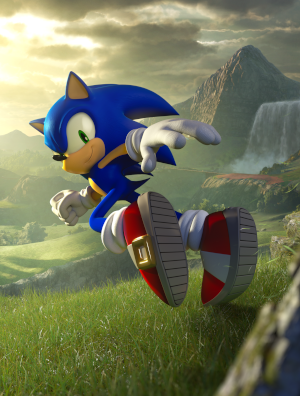
That finally brings us to the present day. As of the time of writing, The Game Awards go live in just over 24 hours. Fan speculation and excitement are once again at an all-time high, as well as confidence for the next mainline Sonic game. Many, including myself, point to the greatly increased size of Sonic Team as an indicator that that very game has potential to be a beloved watershed release for the franchise. There are certainly concerns that the next game won't live up to the hype, which is to be expected due to Sonic's history as I have gone over at great length. With this blog post, however, I wanted to put my own two cents forward in explaining why exactly I feel that we have little cause for concern. Like with SxSG before it, SRCW was also developed by only a portion of Sonic Team, and was likely to be the last game which began development before Frontiers' release, which I learned about thanks to this prediction thread by AllSharkQueen. I posit, then, that going forward the Sonic franchise will see a noticeable increase in polish and budget. In particular, the next mainline game will be the first whose entire development cycle will benefit from the incredible financial successes of the movies and Frontiers.
While exact numbers are currently unknown for the development staff of CrossWorlds, I assume that it had a team that was similar in size to that of SxSG. It could have been slightly bigger thanks to the help from Sega's arcade racing division, but it's a good benchmark to go by for now. One very important detail I forgot to mention until now that also lends credence to my optimistic theory is this: Sega of America and Sega of Europe were given a new CEO at the start of 2024, and his name is Shuji Utsumi. Utsumi differed from his predecessors in that he values many of Sega's IP greatly, which stands in stark contrast to rumors that SoA's previous CEO only really had a heart for the Yakuza franchise. This broader appreciation for Sega's library is also evident in the "Sega Revival" project announced in late 2023, which while before Utsumi's promotion may have been a result of his influence (just a theory of mine). Jet Set Radio, Streets of Rage, Shinobi, Crazy Taxi, and more long-dormant Sega IP were promised remakes, remasters, and new entries in the near future. As of now, the Shinobi sequel has been the only one to release, being subtitled Art of Vengeance and received very well by critics and Sega fans.
I bring up the Sega Revival project because Utsumi himself claimed in this press release that the breakaway success of Sonic Frontiers and the Sonic movies directly inspired the company to look to its forgotten IP for more potential success (guess my theory was right; I forgot he said this). Not only had Frontiers and the movies sparked a new age of Sonic, but it caused Sega as a whole to enter a renaissance. Some fans thought that this revival project was teased by Sega as far back as 2021, but it was clarified later that Sega intended to release the first title in this "Super Game" project by the end of March 2026. It is unknown at this time exactly what the "Super Game" project entails, though this interview with Utsumi and two of his colleagues Katsuya Hisai and Masayoshi Kikuchi clarifies things a bit.
With The Game Awards arriving tomorrow, many fans think that Sega will have a lot of news to share on their future, given that their initial deadline of the end of FY26 is only months away and we still know next to nothing about this mysterious project. I think that this news will come, it will include something significant for Sonic, and it will be glorious. Perhaps this next game can continue to build positive momentum for the Sonic game series after Frontiers, SxSG, and SRCW. If it can, I'll have no reservations with considering Sonic to be back on top of the gaming industry for the first time since his Genesis. The steps in the right direction have been taken; the destination of a new age is on the horizon.
I can't wait to see what it has in store.
Closing Thoughts
And I thought my previous blog post was long...
Perhaps there were more productive uses of my last three days, such as studying for finals, but I definitely wanted to get out my thoughts about where Sonic Team is at right now. I just didn't think I'd have this much to go over! I'm quite proud of this one, honestly, and I greatly enjoyed writing it. What did you think about the new Table of Contents?
The thesis of this post is its title: Sonic Team is back, and they are better than ever before. I may have been able to insert my own personal commentary more often, but I think the timeline I present and the analysis of recent events go a long way on their own to demonstrate why I believe not only that Sonic Team's defining hardships are by and large behind them, but that their talent has never wavered despite those adversities. Only Shadow '05 and MAYBE Lost World have negative reputations that can be largely attributed to misguided core ideas behind those projects. Every other 3D game developed by Sonic Team had great ideas squandered by one of the Three Blights (or all three, in some cases). Many of the games made by this team over the years are still remembered fondly by fans despite their drawbacks, such as Adventure 2, Heroes, Unleashed, and Generations.
I could go on, but you get the point by now. That, and I need to start studying for exams! I'll be watching the Game Awards tomorrow with bated breath and high hopes for the future of Sonic. Expect a future post containing my detailed thoughts on whatever that teaser will end up being. I'll see you all on the other side. To close, I would like to leave you with this tweet which shares a sentiment I think we can all use right about now. Thanks for reading!